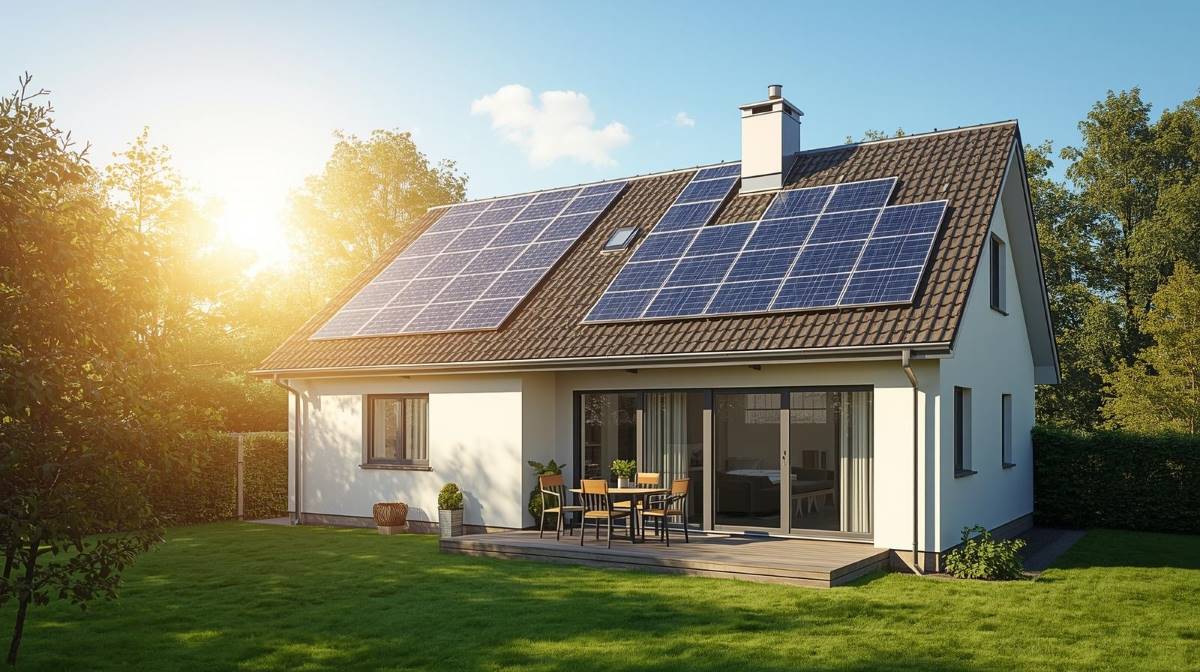
Electricity costs in South Africa have been rising year after year, while the price of solar panels and batteries has been falling. That makes installing a solar photovoltaic (PV) system a smart long-term investment for many homeowners and small businesses.
1. How Much Does Eskom Electricity Cost?
Eskom prices are driven by tariff increases approved by the National Energy Regulator of South Africa (NERSA). Over the past few years, tariffs have gone up significantly — average increases of over 10% per year have been common, and similar increases are projected into the future.
Most residential customers today pay between R2.50 and R4.00 per kWh for electricity, depending on usage time and tariff plan. Fixed monthly charges (just to be connected to the grid) have also increased to around R360+ per month on many residential plans.
Example:
✔ A typical home using 900 kWh/month at R3.50 per kWh will pay around R3 150 just for the units consumed, plus fixed charges — making total bills easily R3 500–R4 500/month or more.
2. Solar System Costs in South Africa (2025 Estimates)
Solar systems vary in size and price depending on how much energy you want to generate and whether you include battery storage (to keep lights on during loadshedding).
Typical installed costs are:
| System Type | Size | Typical Installed Cost (ZAR) |
|---|---|---|
| Grid-tied (no batteries) | 3–5 kW | R55 000 – R90 000 |
| Hybrid (with batteries) | 5–8 kW | R110 000 – R180 000 |
| Large system | 10–12 kW | R150 000 – R260 000+ |
💡 A 5–8 kW hybrid solar system (good for an average family home and some loadshedding backup) typically costs R120 000 – R180 000 installed.
3. How Much Can You Save with Solar?
Monthly Savings
A mid-size solar system (e.g., 6–8 kW) can significantly cut your Eskom bill because:
-
Daytime electricity from solar is free once the system is installed
-
You use less (or sometimes zero) grid power if batteries store excess daytime energy
-
Any surplus you feed back into the grid earns credits (called SSEG export credits) which reduce your bill further.
Example Estimate:
If your monthly Eskom bill is around R2 000:
-
A 6 kW solar system might cover ~70% of your usage.
-
You could save around R1 400/month on energy costs.
-
Add net metering credits (~R150/month) and you might save ~R1 550–R1 800/month.
That adds up to about R18 000–R22 000 per year — money that stays in your pocket instead of going to Eskom.
4. Payback Period — When Do You Break Even?
Because solar systems cost money up-front but save on ongoing bills, the payback period is an important calculation.
Based on current prices and typical spending:
-
Solar systems often pay for themselves in 5–7 years through reduced electricity bills and export credits.
-
After that, the electricity your solar system produces is virtually free for many more years (panels typically last 20+ years).
So over 20 years, you might spend R120 000 once but save R360 000+ (20 years × ~R18 000/year) — a solid return.
5. Long-Term Advantages of Solar
a. Predictable Energy Costs
Once your system is installed, the cost per kilowatt-hour from solar (when amortized over the system’s life) typically works out much lower than Eskom’s escalating pricing — around R0.80 – R1.20 per kWh compared with R3.00+ per kWh from Eskom in 2025.
b. Protection from Tariff Hikes
Eskom tariffs are expected to continue increasing faster than inflation. By generating your own power, you lock in a low cost per unit that doesn’t change yearly.
c. Increased Home Value
Homes with solar systems installed are often worth more than comparable homes without solar.
d. Environmental Benefits
Solar energy is clean — it reduces your carbon footprint and helps fight climate change.
e. Load Shedding Relief
When you include batteries, solar systems can keep essential appliances running during load shedding — something Eskom alone cannot promise.